The Difference Between Insulation Types and Materials
Understanding the difference between insulation types and materials helps homeowners choose the right options, and local service providers can assist with expert installation and advice.
Understanding the difference between insulation types and materials is an important step for property owners looking to improve energy efficiency and comfort. Whether planning a new installation or upgrading existing insulation, knowing the options available can help make informed decisions that suit specific needs and building characteristics. Property owners in the area often explore this topic to ensure they choose the right insulation solutions that enhance their property's performance and reduce energy costs over time.
Local contractors specializing in insulation services can provide valuable insights into the various insulation types and materials best suited for different spaces and climates. They help identify the most effective options based on factors like thermal performance, durability, and installation considerations. Continuing to learn about these differences can lead to better choices and successful projects, with experienced service providers ready to assist in finding the right insulation solutions tailored to each property’s unique requirements.
- Attic Insulation Installation - homeowners considering attic upgrades may need help choosing the right insulation types and materials to improve energy efficiency, with local contractors providing tailored solutions.
- Wall Insulation Services - when insulating interior or exterior walls, service providers can advise on the best insulation materials to suit the specific wall construction and climate needs.
- Basement Insulation Projects - those looking to prevent heat loss in basements often require guidance on suitable insulation types and materials for moisture control and thermal performance.
- Soundproofing Insulation - clients seeking noise reduction between rooms or from outside sources can rely on local pros to recommend appropriate insulation options and materials.
- Cavity Wall Insulation - homes with cavity walls needing insulation may need experts to determine the most effective insulation materials and installation techniques for optimal results.

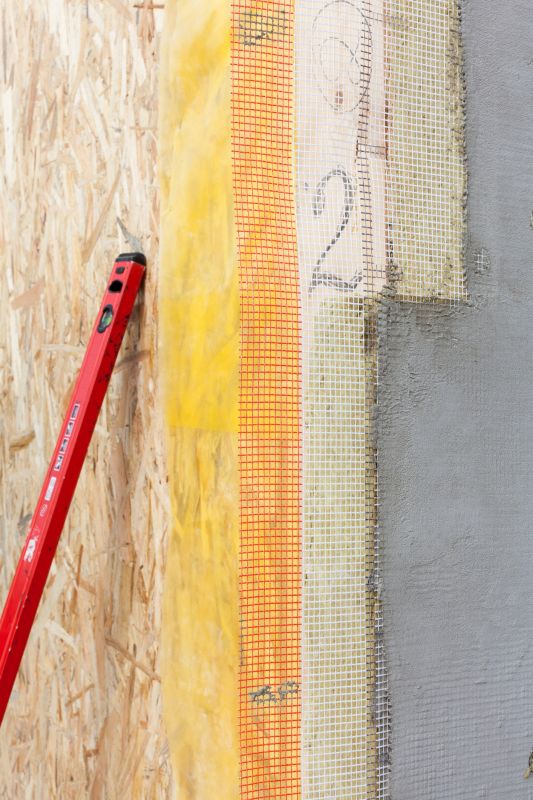
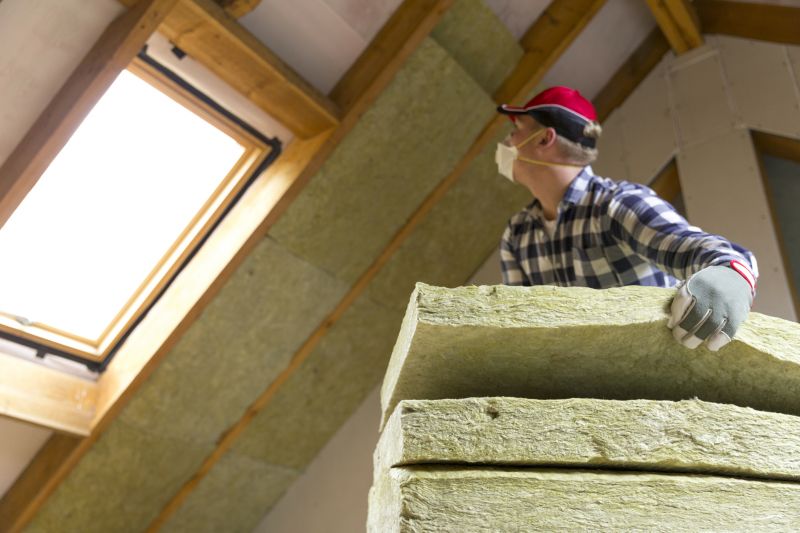
When homeowners search for information about the difference between insulation types and materials, they are often trying to understand how various options can impact the comfort, energy efficiency, and overall performance of their property. This topic typically comes up during planning or renovation projects aimed at improving a building’s thermal performance. Many are concerned about selecting the right insulation for specific areas, such as attics, walls, or basements, and want to know which materials and types will best suit their needs. Understanding these distinctions helps homeowners make informed decisions that align with their goals, whether it’s reducing energy bills, increasing indoor comfort, or preparing for future upgrades.
The discussion around insulation types and materials is closely related to common property problems like drafts, uneven temperatures, or excessive heating and cooling costs. Homeowners often seek guidance when planning upgrades or repairs that involve improving insulation. For example, they may want to address a poorly insulated attic or retrofit walls to enhance energy efficiency. The choice of insulation can also influence the durability and moisture resistance of a property, which is especially relevant in areas prone to humidity or temperature fluctuations. Local service providers can help evaluate these needs and recommend suitable insulation options based on the specific characteristics of each property.
Properties that typically come up in these discussions include a wide range of residential buildings, from single-family homes to multi-unit dwellings. Attics and crawl spaces are common focus areas because they often contribute to heat loss or gain. Exterior and interior walls are frequent targets for insulation upgrades, especially during remodeling projects. Basement and foundation insulation are also important for controlling moisture and preventing heat loss through the ground. Local contractors can assess these different property types and advise on the most effective insulation materials and installation methods to meet the unique demands of each space.
Understanding the difference between insulation types and materials helps homeowners recognize how various options can influence their project outcomes. For instance, some materials like fiberglass or cellulose are popular for their affordability and ease of installation, while others like spray foam or mineral wool offer higher performance in specific conditions. Each insulation type has its advantages and limitations depending on factors such as R-value, moisture resistance, and fire safety. By connecting with experienced service providers, homeowners can get tailored advice on which insulation options are best suited for their property’s design and their specific goals. This knowledge ensures that the chosen insulation will perform effectively and contribute to a more comfortable, energy-efficient home.
Attic insulation installation - local contractors experienced in attic insulation often work with various insulation materials and understand their specific applications and benefits.
Wall insulation projects - professionals specializing in wall insulation are familiar with different insulation types and materials to improve energy efficiency and soundproofing.
Basement insulation services - experts in basement insulation can advise on suitable materials to prevent moisture issues and enhance thermal performance.
Spray foam insulation services - local pros offering spray foam insulation are well-versed in the unique properties and installation techniques of this material type.
Cavity wall insulation projects - service providers experienced in cavity wall insulation understand the differences between materials and how to properly fill wall cavities.
Exterior insulation and finishing systems (EIFS) - contractors working with EIFS are knowledgeable about insulation layers and materials that protect and beautify building exteriors.
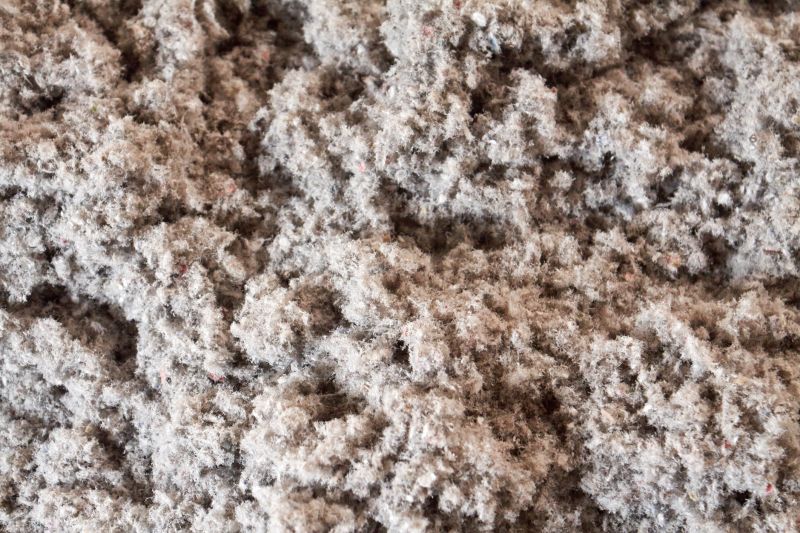
When comparing local contractors for insulation services related to understanding the difference between insulation types and materials, it’s important to consider their experience with similar projects. An experienced service provider will have practical knowledge of the various insulation options and how they perform in different settings. Asking about their past work can help determine if they are familiar with the specific challenges and requirements associated with different insulation materials, ensuring they can recommend solutions suitable for your home.
Clear, written expectations are essential when evaluating potential service providers. A reputable contractor should be able to provide detailed descriptions of the work involved, including the types of insulation materials they recommend and the reasons behind those choices. This transparency helps ensure there are no surprises during the project and that everyone is aligned on the scope and approach. Clear communication about what to expect also facilitates better understanding of the benefits and limitations of different insulation types, aiding in making an informed decision.
Finally, reputable references and good communication are key factors when choosing local contractors. Service providers with positive references from previous clients typically demonstrate reliability and professionalism. Good communication throughout the process-whether in answering questions, providing updates, or explaining options-can make a significant difference in how smoothly the project proceeds. By prioritizing these qualities, homeowners can feel more confident that the contractor they select will be attentive to their needs and capable of guiding them through the complexities of insulation types and materials.
Property owners often search for the difference between insulation types and materials when they are planning practical projects around their homes and businesses. Local pros provide Insulation Types and Materials services for everyday jobs and straightforward project options.
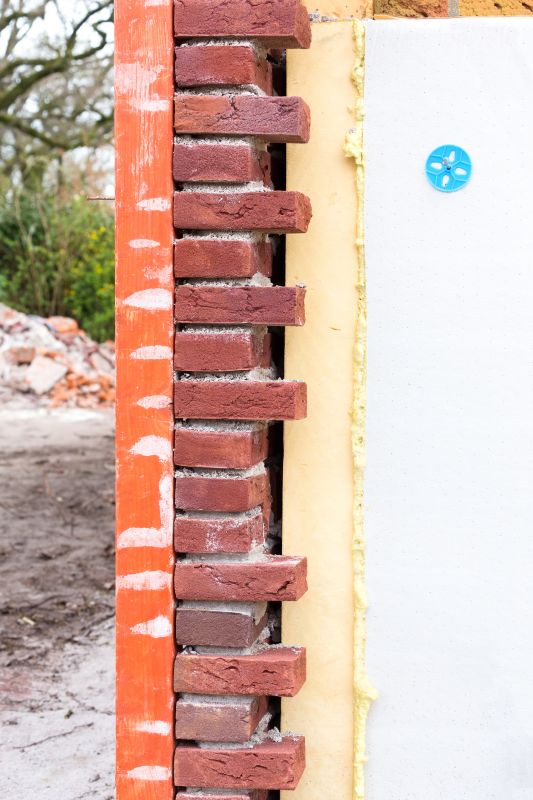
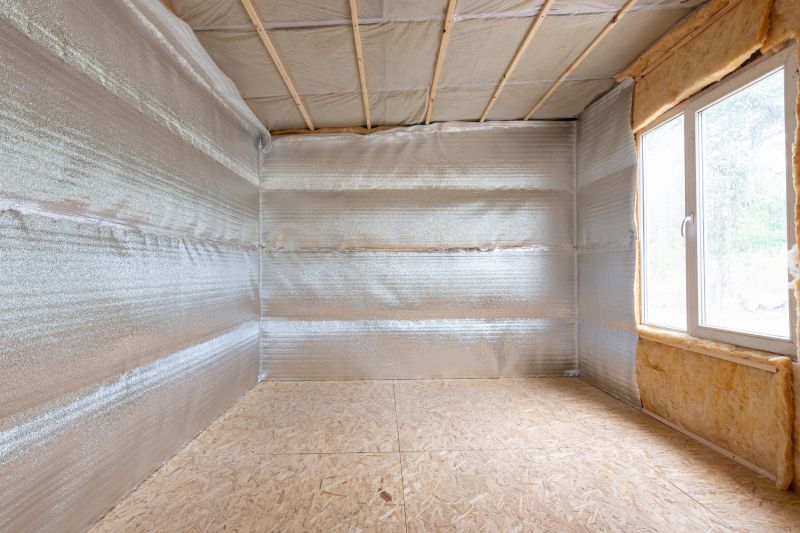
Understanding the difference between insulation types and materials can help property owners make informed decisions when upgrading or installing insulation in their homes. Different insulation materials, such as fiberglass, foam, cellulose, or mineral wool, offer varying benefits in terms of R-value, moisture resistance, and ease of installation. For those working on projects like attic insulation, basement sealing, or wall insulation, knowing these distinctions can ensure the right choice for energy efficiency and comfort. Local contractors who specialize in insulation services can assess specific needs and recommend the most suitable materials and types for each space, simplifying the process for property owners.
Many property owners search for information on insulation types and materials to better understand what options are available before hiring a professional. Whether replacing old insulation or insulating a new addition, understanding the differences can help in choosing the right solution for the property’s structure and climate. Local service providers are equipped to handle different insulation types and can provide expert guidance on installation methods, ensuring the chosen materials perform as intended. Connecting with experienced contractors can make the process smoother and help property owners achieve effective, long-lasting insulation results.
What is the difference between insulation types and materials? Insulation types refer to the categories of insulation systems, such as batt, spray foam, or blown-in, while materials are the specific substances used, like fiberglass, cellulose, or foam. Local contractors can help determine which combination best suits a property's needs.
How do insulation materials impact performance? Different materials have varying R-values, durability, and installation methods, affecting insulation effectiveness. Service providers can advise on the best materials to achieve optimal energy efficiency and comfort.
Why are insulation types important when choosing materials? The type of insulation influences the suitable materials, installation techniques, and applications. Local pros can recommend the right types and materials based on the specific area and purpose.
Can different insulation materials be used together? Yes, combining materials can enhance insulation performance in certain situations, but it requires proper installation. Experienced service providers can design and implement effective multi-material insulation solutions.
How do I know which insulation material is right for my project? Factors like climate, building structure, and budget play a role. Consulting with local contractors can help identify the most appropriate insulation materials and types for specific needs.
Understanding insulation types helps property owners choose the right material for specific areas, such as attics or walls, with the help of local contractors.
Different insulation materials offer varying levels of thermal performance and installation methods, which local service providers can explain during a project.
Comparing insulation options allows homeowners to select materials that suit their comfort needs and building structure, with guidance from local pros.
Knowing the benefits of each insulation type and material can inform decisions on upgrades or new installations, supported by local contractors' expertise.
If you are thinking about the difference between insulation types and materials for a property, this guide is meant to help you understand this topic, the typical project types, and how different options might fit your plans.
When you are ready, you can use the quote form on this page to share a few details about your project. From there, local pros can review the basics and follow up with options that match what you have in mind.