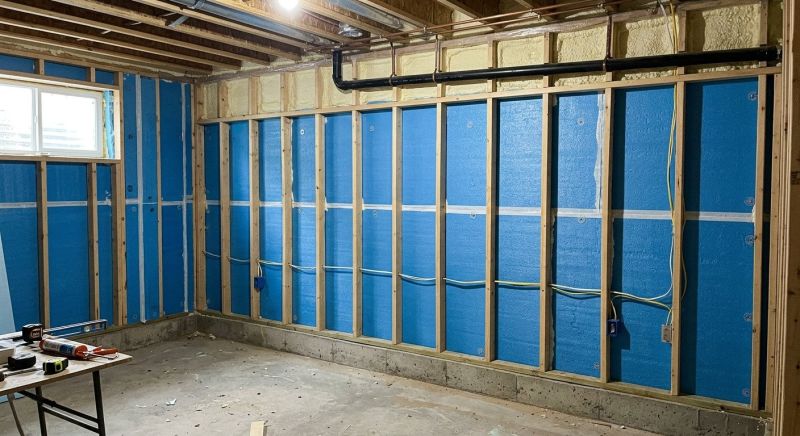
Basement Wall Insulation in Longmont, CO
Basement wall insulation services involve adding insulating materials to the interior or exterior surfaces of basement walls to improve energy efficiency and comfort within a property. These projects typically include insulating finished or unfinished basements, helping to reduce heat loss, prevent cold drafts, and create a more consistent indoor temperature. Homeowners often seek these services when they notice cold spots, high heating bills, or want to enhance the overall comfort of their basement spaces, whether for living areas, storage, or recreational rooms.
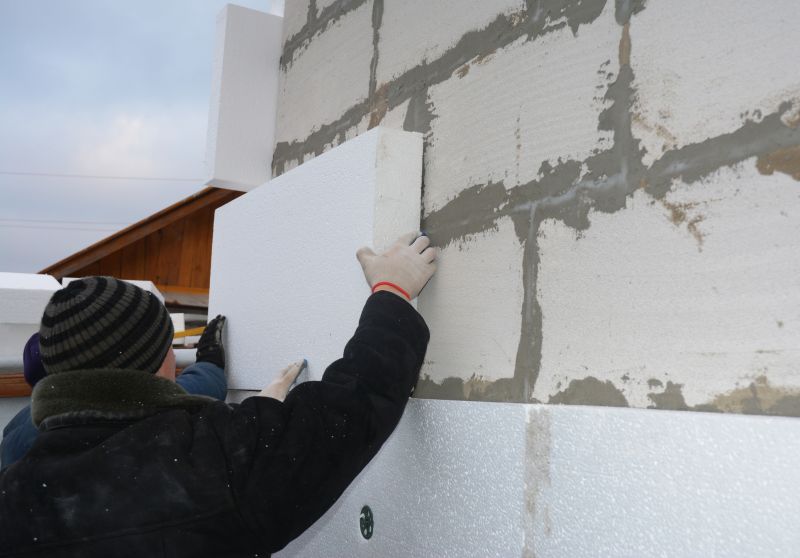
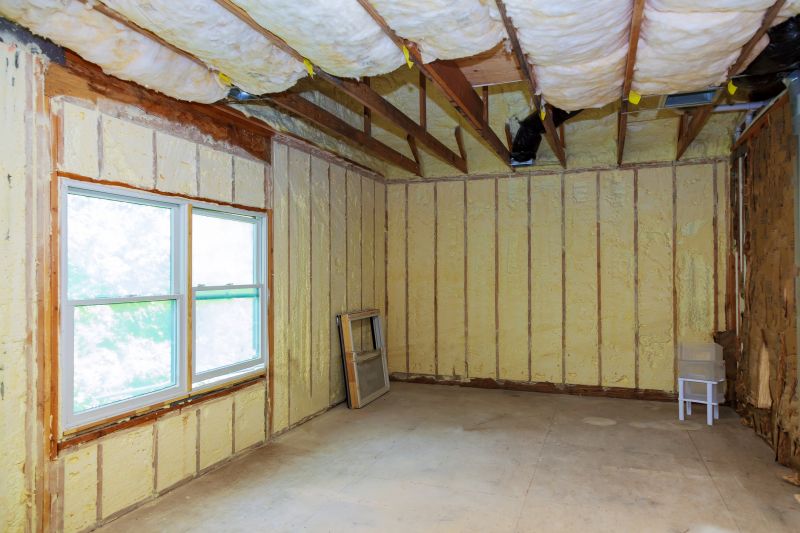
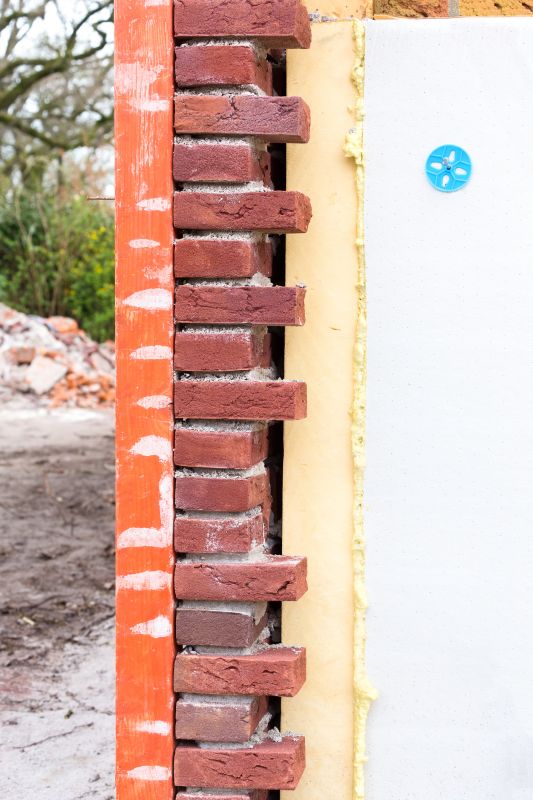
Before requesting basement wall insulation, property owners usually want to understand the different insulation options available, such as foam board, spray foam, or batt insulation, and how each suits their specific basement conditions. It’s also important to consider factors like moisture control, basement layout, and potential water issues, as proper installation can prevent problems like mold growth or wall damage. Clarifying these details helps ensure the insulation solution chosen effectively enhances energy efficiency and maintains a healthy basement environment.
Many property owners in Longmont, CO look into Basement Wall Insulation for repairs, replacements, upgrades, and appearance-related improvements.
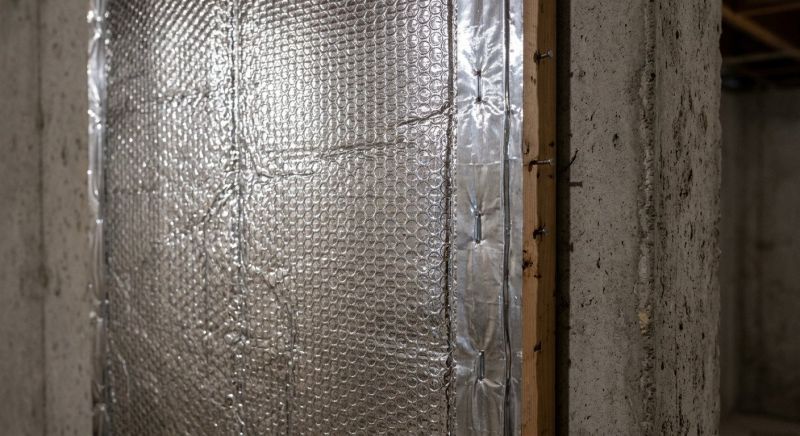
Benefits Of Basement Wall Insulation
Proper insulation helps maintain consistent indoor temperatures and reduces energy costs in longmont homes.
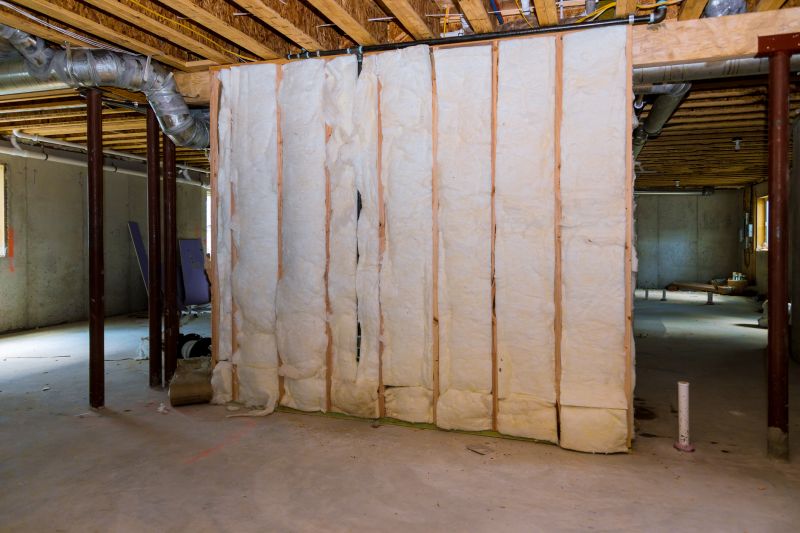
Types Of Basement Wall Insulation
Different insulation options are available to suit various basement conditions and homeowner preferences.
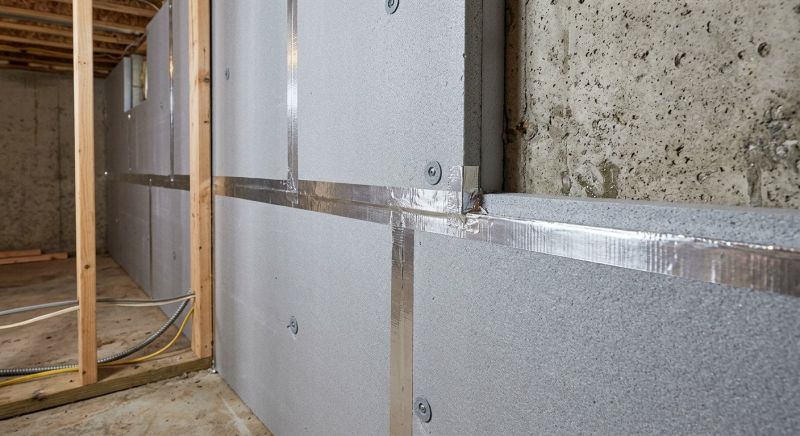
Installation Considerations
Effective basement wall insulation requires proper moisture management and secure installation to prevent issues over time.
Basement Wall Insulation in Longmont, CO

Basement wall insulation services involve adding insulating materials to the interior or exterior surfaces of basement walls to improve energy efficiency and comfort within a property. These projects typically include insulating finished or unfinished basements, helping to reduce heat loss, prevent cold drafts, and create a more consistent indoor temperature. Homeowners often seek these services when they notice cold spots, high heating bills, or want to enhance the overall comfort of their basement spaces, whether for living areas, storage, or recreational rooms.
Before requesting basement wall insulation, property owners usually want to understand the different insulation options available, such as foam board, spray foam, or batt insulation, and how each suits their specific basement conditions. It’s also important to consider factors like moisture control, basement layout, and potential water issues, as proper installation can prevent problems like mold growth or wall damage. Clarifying these details helps ensure the insulation solution chosen effectively enhances energy efficiency and maintains a healthy basement environment.
Many property owners in Longmont, CO look into Basement Wall Insulation for repairs, replacements, upgrades, and appearance-related improvements.
Common Basement Wall Insulation Jobs
Basement Wall Insulation - helps improve energy efficiency and reduce heating and cooling costs.
Insulation Installation - involves adding insulation materials to basement walls for better thermal performance.
Moisture Control - prevents mold growth and water damage by insulating against basement dampness.
Energy Savings - enhances indoor comfort and lowers utility bills through proper wall insulation.
Interior Wall Insulation - adds insulation inside basement walls without extensive remodeling.
Exterior Wall Insulation - involves insulating basement walls from outside to protect against temperature loss.
Basement Wall Insulation Questions
What is basement wall insulation? Basement wall insulation involves adding material to the interior or exterior of basement walls to improve energy efficiency and reduce heat loss.
Why should homeowners consider insulating basement walls? Insulating basement walls helps maintain consistent indoor temperatures, reduces energy costs, and prevents moisture issues.
What types of insulation are commonly used for basement walls? Common options include foam board, spray foam, and fiberglass batts, each offering different benefits for moisture resistance and thermal performance.
When is the best time to add basement wall insulation? The best time is during foundation or basement finishing projects, or when signs of cold drafts and moisture problems appear.
Request Basement Wall Insulation in Longmont, CO
Use the quote form on this page to share the basics of your project and request more information for the type of work you need.